

Tim’s Tuesday Tips: Tax Prep for Small Business Owners
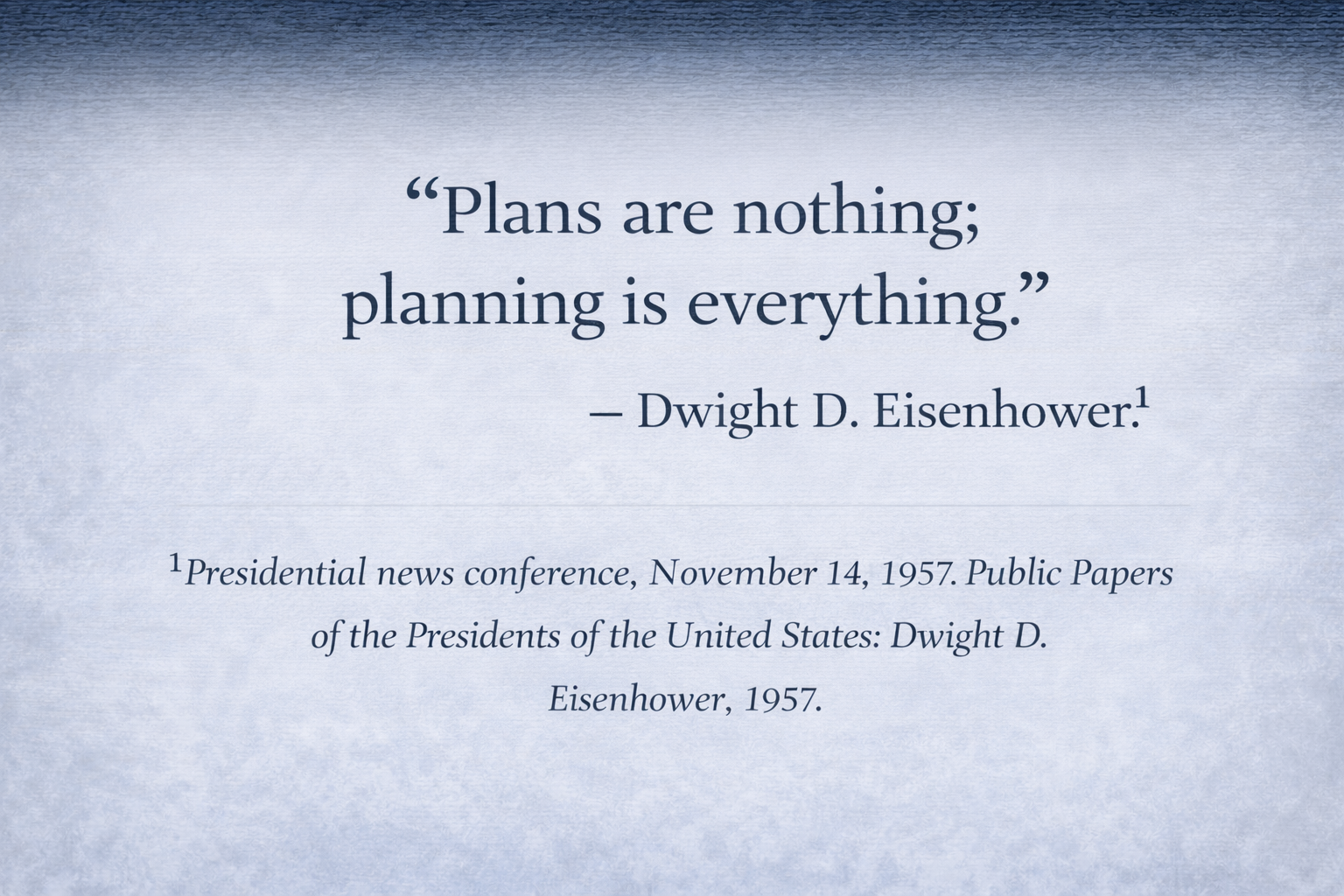
Timothy Hollis 01/06/2026— For many small business owners, tax time can be rife with stress and uncertainty. One surefire way to avoid the stress is through planned preparation. Preparation now can save you from fear and uncertainty later. Waiting until you are ready for your tax preparer—whether that be your CPA, EA, or other professional— to begin working on your return before gathering all the necessary information and documentation required by the IRS is risky business, no pun intended. However, regardless of whether you choose to use Hollis Bookkeeping and Financial Services LLC to get your business ready for tax filing or not, here are two tips and additional resources that will help get you squared away and better prepared.
1. Develop a consistent method of recordkeeping for tracking your business’ expenses and income and stick to it![1]
a. Like anything else, this requires discipline and time. However, using the proper tools is essential. I recommend for my clients to use QuickBooks online paired with the QBO smartphone app for iPhone or Android. This allows you to quickly snap a photo of any receipts, invoices, or other expense/income-related documents quickly and easily. Using QBO (QuickBooks Online) also allows for the set-up or a business specific email address that receipts and invoices can be sent to for them to be automatically uploaded for record retention and entry into your business’ financial records.
b. Additionally, using a centralized payment-collection/billing system that enables your business to create estimates and invoices to send to your customers is helpful because all the necessary information is captured and stored in one place. Again, QBO provides businesses with the ability to do this easily on the go through the QBO application, including adding sales tax and other applicable fees that need to be documented and tracked for compliance purposes.
2. Know the basics of what a deductible expense is and what is not!
a. While I don’t believe a college-level course or high-level of understanding of the U.S. Tax Code is necessary, especially for those who use tax professionals such as an EA (Enrolled Agent) or CPA (Certified Public Accountant) to prepare and file their taxes, small business owners are often required to wear many hats— including CEO, COO, and CFO— which means they should at least understand the basics to keep their business and personal finances out of the “danger zone.”
b. The IRS (2026) defines a tax-deductible expense as, “… a business expense must be both ordinary and necessary.”[2] To simplify the IRS’ definition of how the agency defines a deductible expense, the expense must meet two basic criteria, ordinary and necessary. For example, for a tree-trimming business, a chainsaw is an ordinary business expense that is necessary for the business to conduct its operations. However, if I were to buy a chainsaw and try to deduct the expense on my tax return as a business expense for a bookkeeping business, it might raise some eyebrows because a chainsaw is not a normal, “ordinary,” purchase and I don’t need a chainsaw— hopefully— to perform bookkeeping services. While admittedly there can be some gray area around this definition, make sure that you are able to adequately defend any expense you choose to deduct if audited as both typical for the type of business you are engaged in and appropriate and helpful for operations.
If needed, Hollis Bookkeeping and Financial Services LLC is happy to help you get your books ready for tax time. We also offer ongoing monthly, quarterly, or yearly maintenance services for clients who prefer a little professional help with maintaining compliance and would benefit from additional financial insights into their business’ performance. We also offer book set-up, clean-up, and automation services as well. Feel free to send us a message for a free no commitment consultation today!
[1] Internal Revenue Service, Publication 334: Tax Guide for Small Business (For Individuals Who Use Schedule C) (2024), available online: irs.gov/publications/p334 (accessed January 2026)
[2] Internal Revenue Service, Ordinary and Necessary Business Expense Definition, IRS guidance explaining that deductible business expenses must be both ordinary and necessary, available via IRS resources on business deductions (accessed January 2026).
Additional Resources:
· Publication 334: Tax Guide for Small Business
https://www.irs.gov/publications/p334
Comprehensive guide covering business income, deductible expenses, accounting methods, and filing requirements for Schedule C filers.
Footnote: Internal Revenue Service, Publication 334: Tax Guide for Small Business (2024), irs.gov/publications/p334.
· Internal Revenue Service — Publication 535: Business Expenses
https://www.irs.gov/publications/p535
Explains which common business expenses are deductible, partially deductible, or nondeductible.
Footnote: Internal Revenue Service, Publication 535: Business Expenses (2024), irs.gov/publications/p535.
· Internal Revenue Service — Publication 583: Starting a Business and Keeping Records
https://www.irs.gov/publications/p583
Guidance on recordkeeping systems, documentation requirements, and business startup considerations.
Footnote: Internal Revenue Service, Publication 583: Starting a Business and Keeping Records (2024), irs.gov/publications/p583.
· Internal Revenue Service — Publication 525: Taxable and Nontaxable Income
https://www.irs.gov/publications/p525
Details what types of income must be reported and what may be excluded from gross income.
Footnote: Internal Revenue Service, Publication 525: Taxable and Nontaxable Income (2024), irs.gov/publications/p525.
· Internal Revenue Service — Recordkeeping for Small Businesses (Web Guidance)
https://www.irs.gov/businesses/small-businesses-self-employed/recordkeeping
Practical guidance on how long to keep records and what documentation supports income and deductions.
Footnote: Internal Revenue Service, Recordkeeping for Small Businesses, irs.gov (accessed January 2026).
